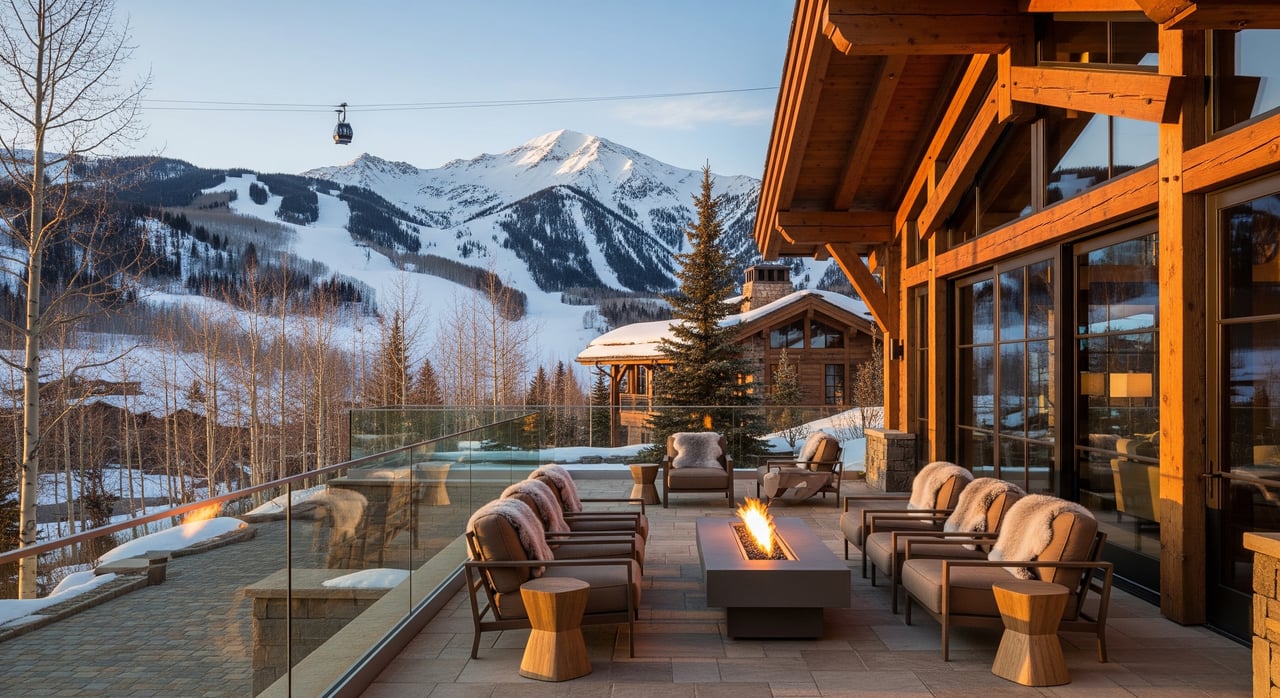
Picture crisp mountain air, the soft rumble of a gondola starting up, and a village morning where you can walk to coffee, lifts, and trailheads. If you’re weighing a home in Vail, you likely want that effortless mix of outdoor access and refined amenities. This guide helps you map the Town of Vail from east to west so you can match neighborhoods, transit, and ownership details to your lifestyle and goals. Let’s dive in.
How Vail’s layout shapes daily life
Vail sits along the upper Eagle River valley with Vail Mountain rising above and the White River National Forest interwoven around town. The mountain and protected forest shape where homes exist, how you get around, and what your days look like in every season.
Ski season and summer events drive foot traffic, shop hours, and rental demand. In the village cores, you’ll find pedestrian zones that make walking easier than driving. As you move east or west, neighborhoods feel more residential, and most people rely on the town bus or short drives.
Environmental realities matter here. Avalanche terrain, creek corridors, and forest protections can affect remodels, new builds, and insurance. If you plan changes to a property, you’ll want to verify current rules and timelines before you commit.
East to west: Vail neighborhoods at a glance
East Vail
East Vail is quieter and more wooded, with a mix of single‑family homes, townhomes, and condos. You’ll notice a more residential feel than the village cores, and many pockets sit close to trailheads and summer recreation.
- Access: A short drive or town bus ride gets you to Vail Village or Lionshead. Biking is common in warm months.
- Lifestyle: You get more privacy and space, which many year‑round residents and families value. Nightlife and immediate lift access are farther, but daily living can feel simpler.
- Keep in mind: Parts of East Vail lie outside Town of Vail municipal boundaries in unincorporated Eagle County. That can affect services, zoning, and addresses. Some properties sit near creek corridors or steeper slopes, so check flood and avalanche considerations.
Vail Village
This is the heart of the resort with cobblestone walkways, hotels, restaurants, galleries, and dense condo living. If you want to walk to everything, this is where it happens.
- Access: You’re steps from lifts and gondolas, ski school meeting points, après, and childcare in peak seasons.
- Lifestyle: A true walkable life. Strong demand for short‑term rentals where permitted. Seasonal events bring energy and convenience.
- Keep in mind: Parking for residents is limited and often paid. Expect higher noise and premium pricing for the core location, plus rules around vehicle access in pedestrian zones.
Golden Peak
Golden Peak sits just east of the main village action and is known for quick mountain access and a focus on children’s programs.
- Access: You can reach lifts and lesson areas quickly.
- Lifestyle: A smart pick if ski school convenience is a top priority. The scale is smaller than the main village, which some prefer.
- Keep in mind: It is compact, so inventory is limited and demand is steady.
Lionshead
Lionshead blends a modern village feel with easy lift access on Vail’s west side. It is pedestrian friendly, with hotels, condo complexes, shops, and dining centered around the Eagle Bahn Gondola.
- Access: Direct gondola access plus quick connectivity to I‑70 from the west end of town.
- Lifestyle: Slightly more relaxed than the main village but still very active. Many condos offer strong ski access and appeal to both residents and visitors.
- Keep in mind: A busy base area with a mix of owners, long‑term residents, and short‑term guests.
Cascade Village area
Between Lionshead and West Vail, the Cascade Village area mixes multi‑family residences with some commercial corridors near the river and trail connections.
- Access: A short bus or bike ride to either village core.
- Lifestyle: Often a bit more approachable on price while keeping you close to mountain access.
- Keep in mind: Stock varies by complex, so review HOA coverage, parking, and any shuttle services.
West Vail
West Vail feels more suburban and residential, with many single‑family homes and convenient shopping along the I‑70 corridor.
- Access: Quick access to I‑70 and easy commutes to Avon or Beaver Creek. You’ll bus or drive to the gondolas.
- Lifestyle: Larger lots and a quieter setting appeal to year‑round residents and buyers seeking more space.
- Keep in mind: Highway proximity can introduce noise in some pockets. Check specific blocks for differences.
Private and upper‑mountain enclaves
On the valley’s edges and upper‑mountain roads, you’ll find private and sometimes gated communities with bigger lots, standout views, and concierge‑style amenities.
- Access: Some areas offer private shuttles to lifts. Winter access and road maintenance are important to verify.
- Lifestyle: Privacy and luxury amenities are the draw, with higher HOA fees and specific community rules.
- Keep in mind: Confirm avalanche mitigation plans, membership requirements, and any rental restrictions.
Getting around: buses, parking, and winter
Vail’s town bus system links East Vail, West Vail, Cascade, Lionshead, and Vail Village. Many residents rely on it for errands and mountain access, which helps reduce the need for multiple vehicles. Schedules vary by season, so you’ll want to check current routes and frequency when planning daily routines.
Regional transit connects Vail with Avon, Beaver Creek, and the Eagle County airport area. Private shuttles and ride‑share are popular for airport transfers, especially for second‑home owners who fly in on weekends or holidays.
Parking works differently by area. In the village cores, spaces are limited and often paid. Lionshead offers structured options with short‑term choices. East and West Vail typically include on‑lot parking or driveways, which many full‑time residents prefer. In winter, expect snow clearing operations, street parking rules after storms, and a premium on well‑designed garage and driveway layouts.
Mountain and forest access: what it means for you
Living within walking or shuttle distance of gondolas makes a true ski‑in/ski‑out lifestyle possible. Vail Village and Lionshead offer the most direct access, which shortens your time from front door to first chair. If you live farther out, a reliable bus line or dedicated shuttle can still keep your mornings smooth.
Trailheads for hiking, biking, nordic skiing, and climbing weave through town and the White River National Forest. In summer and fall, many residents plan their days around early trail runs, evening rides, or creekside walks. Forest protections keep much of this network intact, but occasional closures for management or events can affect access.
You should factor environmental rules into your plans. Watershed protection, wildlife corridors, and avalanche zones can influence remodel scope and permits near forest edges and steeper slopes. Understanding these constraints early helps you avoid delays.
Ownership basics and local rules
You will see three common housing patterns in Vail: high‑density condos in Vail Village and Lionshead, townhomes and smaller single‑family homes in East and West Vail, and private estates on the periphery. Prices span from compact studios to multi‑million‑dollar single‑family homes in top locations.
Short‑term rentals are a meaningful part of the market. The Town of Vail and many HOAs have specific licensing and occupancy rules that can change over time. Always verify current short‑term rental requirements with the town and review the property’s HOA documents before you write offers.
Insurance and maintenance deserve attention in the mountains. Premiums can be higher due to weather and regional wildfire risk, and snow removal is a real line item. Review who handles plowing, roof shoveling, and road clearing. On the edges of the valley, confirm utilities, including any private well or septic systems and their seasonal limitations.
Verify current rules, schedules, and fees with the appropriate agencies and HOAs, since these details change seasonally and year to year.
Families and year‑round living
If you plan to live in Vail full time, consider how your daily rhythm will work in each neighborhood. Proximity to clinics, grocery options, and community programs can matter more than a two‑minute difference in walking time to a lift.
For schools, review district enrollment zones and bus routes before you choose a home. Families also appreciate access to groomed walking paths, sledding hills, parks, and summer youth programs, which vary by micro‑area.
Healthcare, specialty services, and regional amenities are accessible within the Vail Valley. Many year‑round residents find that East or West Vail offers a practical balance of space, quiet, and quick trips to the villages.
How Vail compares to nearby towns
Avon and Beaver Creek sit just downvalley. Avon feels more suburban and budget‑friendly, with a larger mix of newer townhomes and single‑family inventory plus a central transit hub. Beaver Creek offers its own resort village and a quieter luxury environment that some buyers prefer.
Farther west, Edwards and Eagle appeal to buyers seeking larger parcels, more detached homes, and a lower price per square foot. The tradeoff is a longer commute to Vail lifts, which some owners accept for yard space and a different pace of daily life.
If immediate mountain access and a walkable resort core are must‑haves, you will likely focus on Vail Village or Lionshead. If space, value, and a quieter neighborhood matter most, East Vail, West Vail, or nearby towns may fit better.
Choosing your fit: a quick checklist
Use this list to align neighborhoods with how you want to live:
- Distance to lifts and trailheads you will use most.
- Town bus frequency and stop proximity from your front door.
- Parking type: deeded garage, carport, driveway, or reliance on municipal structures.
- HOA coverage: snow removal, shuttle service, utilities, roof and exterior maintenance.
- Short‑term rental rules: licensing, occupancy limits, and any building‑specific restrictions.
- Environmental factors: floodplain, avalanche, and wildfire considerations that affect insurance and remodel scope.
- Noise tolerance: event seasons, base area activity, and highway proximity in specific pockets.
- Year‑round services: grocery, clinics, daycare, and recreation access from your address.
Ready to narrow your options? With local roots dating to 1978, our team helps you compare Vail’s micro‑areas through both a lifestyle and investment lens. For a tailored short list that fits your routines, parking needs, and ownership plans, connect with Kyle Denton for a confidential consultation.
FAQs
Which Vail neighborhood offers the quickest lift access for daily skiing?
- Vail Village and Lionshead provide the most direct access to lifts and gondolas. If you want true walkability to first chair, focus on these cores.
Is the Town of Vail bus reliable enough for daily life without two cars?
- Many residents rely on the town bus for errands and mountain access. Schedules are seasonal, so check current frequency for your route and stop.
How tight is parking for owners in Vail Village and Lionshead?
- Parking in the cores is limited and often paid. Some condos include deeded spaces, but many do not. Confirm on‑site parking before you buy.
Are short‑term rentals allowed everywhere in Vail?
- No. The Town of Vail and many HOAs have specific rules and licensing. Verify current requirements with the town and your building’s HOA.
What environmental factors should I review before remodeling in Vail?
- Check floodplains, avalanche zones, and wildlife corridor rules, which can affect permits, timelines, and insurance. Confirm details for your parcel.
How do East Vail and West Vail differ from the village cores?
- East and West Vail are more residential with easier driveway parking and larger lots. You trade immediate lift access for quiet, space, and convenience by car.
What should families consider when choosing a Vail neighborhood?
- Look at access to parks, trails, clinics, and school bus routes. Daily convenience often matters more than being a few minutes closer to a gondola.